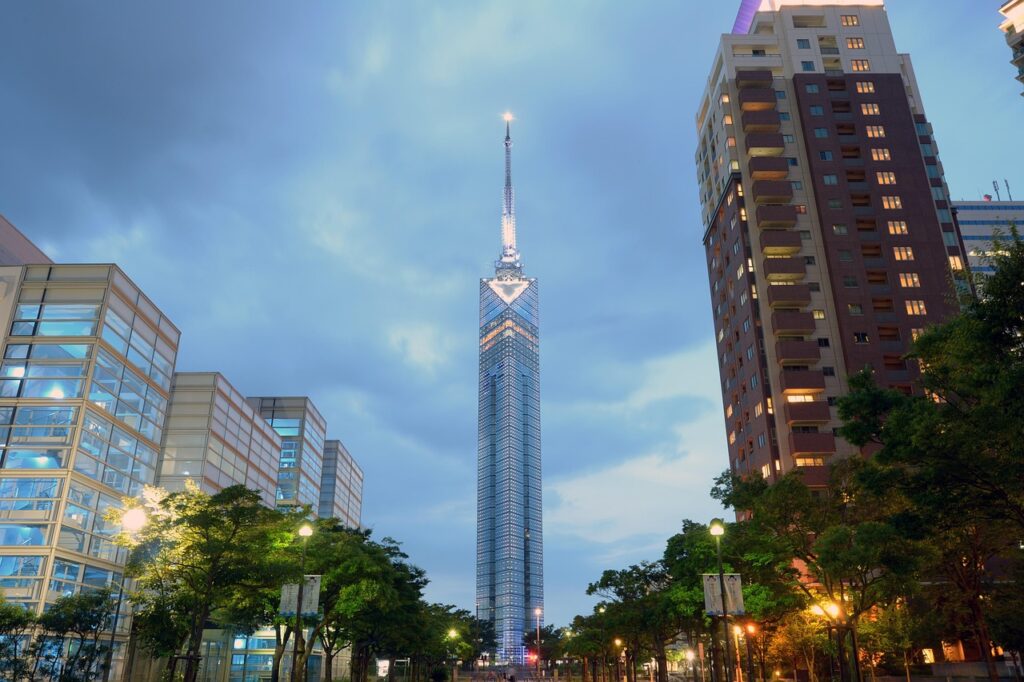
Fukuoka is one of Japan’s most livable and visitor-friendly cities, combining excellent food, walkable neighborhoods, and easy access to nature. Located on the northern coast of Kyushu, Fukuoka feels more relaxed than Tokyo or Osaka, yet it still offers plenty to see, eat, and explore. From famous ramen stalls to historic shrines and beachside escapes, Fukuoka rewards travelers who enjoy good food and an unhurried pace.
This guide covers what makes Fukuoka special, including top attractions, local food culture, and how to plan a balanced visit.
Top Things to Do in Fukuoka
Fukuoka’s attractions are spread across compact neighborhoods, making sightseeing easy even on a short trip. Start with Ohori Park, a spacious green area centered around a large pond, ideal for walking and relaxing. Nearby, Fukuoka Castle ruins offer a glimpse into the city’s past and scenic views during cherry blossom season.
In Dazaifu, just outside the city, Dazaifu Tenmangu Shrine is one of Kyushu’s most important cultural sites and a popular half-day trip. For travelers deciding how to prioritize their time, browsing a list of the top things to do in Fukuoka helps identify must-see spots without overpacking the schedule.
What to Eat in Fukuoka: Japan’s Ramen Capital
Food is the heart of Fukuoka. The city is best known for Hakata ramen, a rich pork-bone broth served with thin noodles and simple toppings. You’ll find ramen shops everywhere, from tiny counters to late-night stalls.
Beyond ramen, Fukuoka is famous for yatai—open-air food stalls lining rivers and streets at night. These stalls serve skewers, gyoza, seafood, and comfort food in a casual, social setting. Travelers who want to explore beyond the basics often rely on a Fukuoka food guide covering Hakata ramen, yatai, and local favorites to decide where to eat.
Explore Fukuoka’s Neighborhoods
Hakata and Tenjin are the main areas visitors spend time in. Hakata is a transportation hub with shopping and easy access to attractions, while Tenjin is known for nightlife, dining, and retail. Nakasu, located between them, comes alive at night with food stalls and bars along the river.
Wandering these neighborhoods on foot is one of the best ways to experience Fukuoka’s everyday rhythm.
Hidden Gems & Local Experiences
Beyond the main sights, Fukuoka has quieter corners that show a more local side of the city. Small shrines tucked between buildings, neighborhood cafés, and coastal walks offer moments of calm away from busy areas.
Travelers interested in discovering places locals love often explore Fukuoka hidden gems, which include lesser-known neighborhoods, scenic viewpoints, and relaxed spots that don’t usually appear on first-time itineraries.
Easy Day Trips From Fukuoka
Fukuoka’s location makes it an excellent base for day trips. Dazaifu is the most popular, but beach towns like Itoshima offer cafés, coastline views, and a slower pace just outside the city. These trips add variety without requiring overnight stays.
Getting Around Fukuoka
Fukuoka is one of Japan’s easiest cities to navigate. Subways and buses cover most attractions, and many areas are walkable. Renting a car isn’t necessary unless you plan to explore rural Kyushu or coastal areas outside the city.
When to Visit Fukuoka
Spring and autumn are ideal, with mild temperatures and seasonal scenery. Summer brings festivals and lively food stalls, while winter is quieter and perfect for enjoying hot ramen and relaxed sightseeing.
Why Fukuoka Is Worth Visiting
Fukuoka blends big-city convenience with a welcoming, laid-back atmosphere. It’s a place where food culture thrives, distances are short, and travel feels easy. Whether you’re visiting Japan for the first time or returning for a slower experience, Fukuoka offers a satisfying balance of culture, cuisine, and comfort.