Okinawa is one of Japan’s most unique destinations, offering a mix of tropical beaches, distinct island culture, and deeply meaningful history. Located far south of mainland Japan, Okinawa feels more relaxed and slower-paced, making it ideal for travelers who want both exploration and rest. From turquoise waters and coral reefs to Ryukyu heritage sites and quiet villages, Okinawa rewards visitors who take time to experience its many layers.
This travel guide covers the essentials—what makes Okinawa special, where to go, and how to plan a trip that fits your travel style.
Okinawa’s Beaches: Clear Water & Island Scenery
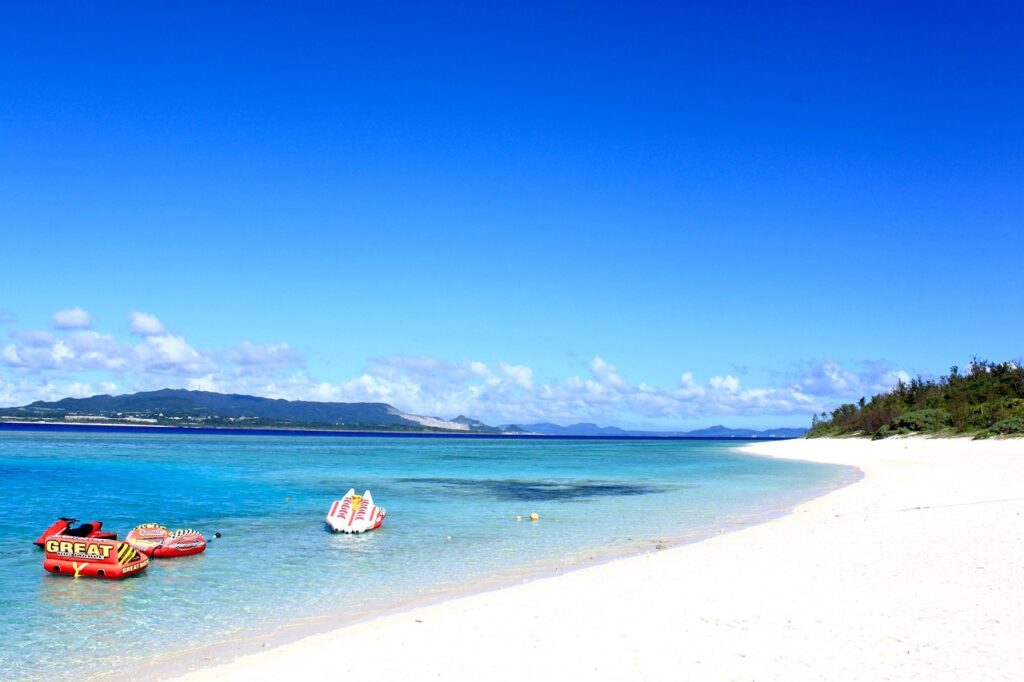
Okinawa is best known for its beaches, which range from lively resort areas to peaceful, undeveloped coastlines. On the main island, beaches around Onna Village and Motobu offer easy access and calm waters, while smaller islands provide even clearer seas and fewer crowds.
Travelers interested in coastal scenery and swimming often start with an overview of the best beaches in Okinawa, which highlights snorkeling-friendly shores, family beaches, and quieter hidden spots across the islands.
Snorkeling & Ocean Experiences
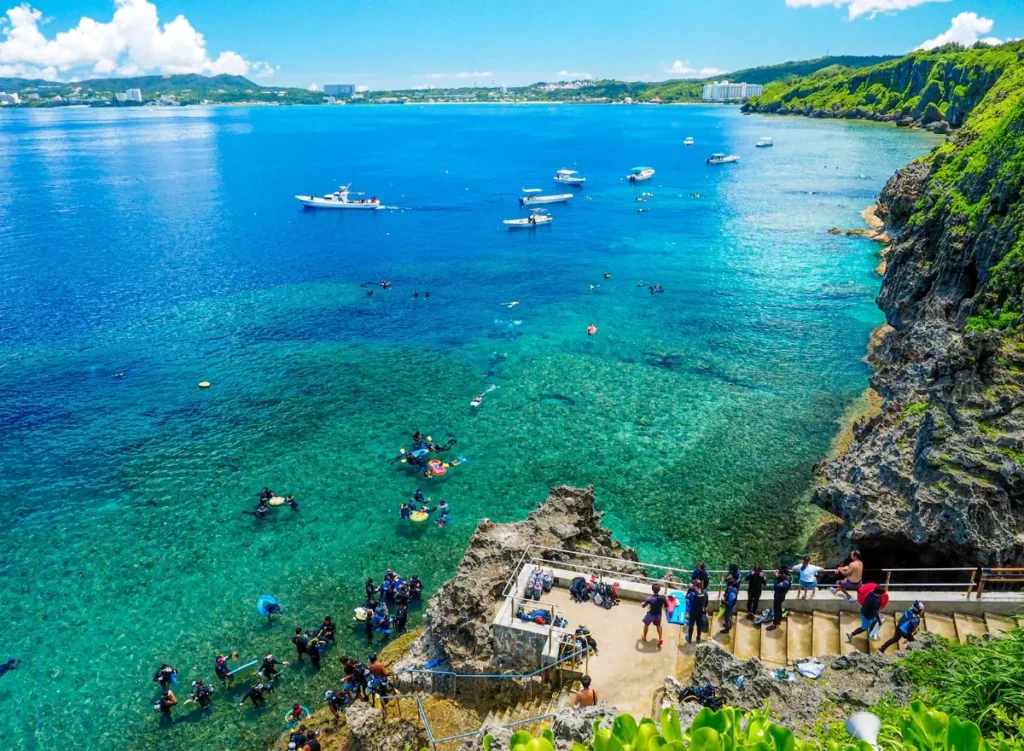
Thanks to its coral reefs and warm climate, Okinawa is one of the best places in Japan for snorkeling and marine activities. Even beginners can enjoy snorkeling close to shore, with colorful fish visible in shallow water. More experienced swimmers may explore offshore reefs or join guided tours.
Ocean activities are a major part of island life and are frequently included among the top things to do in Okinawa, especially for first-time visitors looking to balance sightseeing with outdoor adventure.
Ryukyu Culture & Historical Sites
Okinawa’s culture developed separately from mainland Japan as part of the Ryukyu Kingdom, and this heritage is still visible today. Shuri Castle, traditional stone walls, local music, and festivals all reflect this distinct identity. Exploring neighborhoods in Naha or visiting cultural villages helps travelers understand Okinawa beyond its beaches.
History also plays an important role in the island’s story. Peace memorials and museums focus on remembrance and reconciliation, offering meaningful insight into Okinawa’s past and present.
Local Food & Island Flavors
Okinawan cuisine is simple, hearty, and shaped by both island life and international influences. Dishes like Okinawa soba, goya champuru, and slow-cooked pork are commonly found across the islands. Fresh seafood, tropical fruits, and casual local eateries make dining relaxed and family-friendly.
Many travelers rely on an Okinawa food guide covering local dishes and must-try restaurants to decide where to eat, especially when venturing beyond tourist areas.
Best Places to Visit in Okinawa
Popular highlights include Churaumi Aquarium in the north, Shuri Castle in Naha, and scenic coastal drives along the main island. Beyond these, quieter villages, forested areas in the north, and nearby islands like Miyako or the Keramas offer a slower pace and striking natural beauty.
The best places to visit often depend on how much time you have and whether you prefer beaches, culture, or nature.
Getting Around Okinawa
Renting a car is the most convenient way to explore Okinawa, especially for reaching beaches and attractions outside Naha. Roads are easy to navigate, and parking is widely available. Public transportation works well within Naha, but it’s limited for island-wide travel.
When to Visit Okinawa
Okinawa is a year-round destination. Summer is ideal for swimming and snorkeling, while spring and autumn offer pleasant weather with fewer crowds. Winter is quieter and well-suited for sightseeing, cultural exploration, and relaxed resort stays.
Why Okinawa Deserves a Place on Your Japan Itinerary
Okinawa offers a side of Japan that feels calm, open, and deeply connected to nature. Whether you’re drawn by beaches, culture, food, or history, the islands provide space to slow down and travel at your own rhythm. For many visitors, Okinawa isn’t just another stop—it becomes the most memorable part of the journey.